Chapter 7 vs. Chapter 13: Which Bankruptcy Attorney Option Is Right for Albany, GA, Residents in 2026?
Choosing the right bankruptcy chapter is one of the most important financial decisions Albany, GA, residents can make. For residents of Dougherty County, where the median household income sits around $51,508 and roughly one in four residents lives below the poverty line, finding the right path to debt relief is especially critical. A knowledgeable bankruptcy attorney, can evaluate your specific situation and guide you toward the option that protects the most.
What Is the Core Difference Between Chapter 7 and Chapter 13?
Chapter 7 eliminates most unsecured debts through a discharge, while Chapter 13 restructures what you owe into a manageable repayment plan.
Chapter 7 at a Glance
Chapter 7 is often called a "fresh start" bankruptcy. Unsecured debts such as medical bills, credit cards, and personal loans may be wiped out entirely. The process typically completes in a matter of months. However, you must pass a means test based on your income compared to Georgia's median to qualify.
Chapter 13 at a Glance
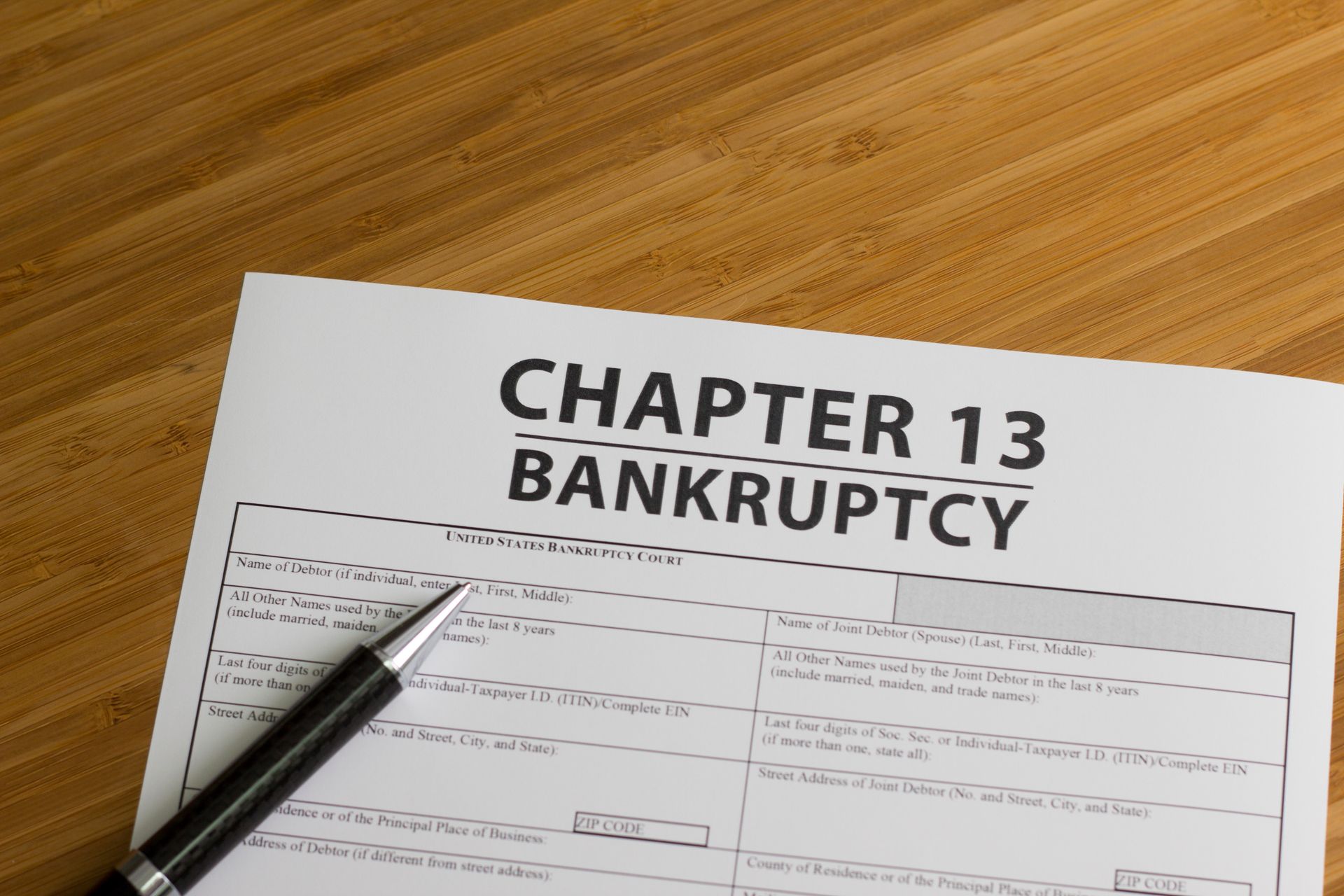
Chapter 13 consolidates your debts into one court-approved monthly payment lasting three to five years. Albany residents dealing with foreclosure threats or past-due payments on a home may find Chapter 13 gives them time to catch up without losing the property.
Which Chapter Is Right for Albany, GA, Residents in 2026?
The answer depends on your income, debt type, and what you want to protect. Here is how each chapter tends to match common situations in the Albany area:
Chapter 7 may be a good fit if you:
- Have primarily unsecured debt such as medical bills or credit cards.
- Earn at or below Georgia's median household income.
- Do not have significant equity in a home or vehicle you need to protect.
- Want the fastest possible resolution to your debt problem.
Chapter 13 may be a better option if you:
- Are behind on a mortgage and want to stop foreclosure.
- Earn too much to pass the Chapter 7 means test.
- Have non-dischargeable debts like back taxes you need time to repay.
- Own assets you could not fully protect under Chapter 7 exemptions.
Both chapters trigger an automatic stay the moment you file, which immediately stops creditor calls, garnishments, repossessions, and foreclosures.
Does Filing Bankruptcy Hurt My Credit?
Both chapters affect your credit. Chapter 7 may remain on your credit report for up to ten years, while Chapter 13 typically stays for seven. Many people begin rebuilding credit within one to two years after filing.
Can I Keep My Car and Home if I File Bankruptcy in Albany, GA?
You may be able to keep both, depending on the chapter you file and whether payments are current. Chapter 13 is especially useful for catching up on missed mortgage or car payments over time.
Do I Need to Pass a Means Test to File Chapter 7?
Yes. To file Chapter 7 in Georgia, you must pass a means test comparing your income to the state median. If you earn too much, Chapter 13 may still offer a path to relief.
How Long Does Each Bankruptcy Chapter Take?
Chapter 7 cases often resolve in three to six months. Chapter 13 plans run three to five years.
Take the Next Step Toward Financial Freedom
Hall & Mullis, PC serves Albany, GA, residents with over 40 years of combined experience helping people eliminate debt, stop garnishments, and protect their assets. To explore whether Chapter 7 or Chapter 13 is right for you,
contact us online or visit our
Chapter 7 vs. Chapter 13 in Albany, GA resource. Call
229-245-8817 today for your 100% free consultation.